
Playing Smart: Safety in Kink
Full Class Description
Kink can be deeply rewarding, playful, intense, and connective, but it also involves real risks. In Playing Smart: Safety in Kink with Ruff, Ruff Pup walks through the foundational principles that help people explore kink responsibly while protecting both physical and mental wellbeing.
This class is designed for anyone who participates in kink scenes, regardless of role or experience level. Whether you are new to kink or have been playing for years, understanding safety practices helps build stronger scenes, stronger trust, and stronger communities.
The goal of this workshop is not to scare people away from kink. Instead, it is about learning how to recognize risks, communicate clearly with partners, and respond effectively if something unexpected happens.
What We’ll Cover
Understanding Risk in Kink
Not all kinks carry the same risks. Some activities involve minimal physical danger while others require greater preparation, skill, and awareness.
This section explores how different types of play carry different levels of risk and why understanding those risks is part of responsible kink practice. Participants will learn how to approach scenes with a mindset of awareness rather than assumption.
We will also introduce the concept of Risk Aware Consensual Kink (RACK), which emphasizes that kink participants should understand the risks involved in their activities and make informed decisions together.
Physical Safety in Scenes
Physical safety begins long before a scene starts. Participants will learn practical steps that help reduce injury during play.
Topics will include:
- Warming up and stretching the body before intense scenes
- Knowing your physical limits and respecting them
- Recognizing common warning signs that something may be wrong during a scene
- Why hydration, rest, and body awareness matter
We will also discuss why many kink practitioners choose to pursue basic emergency training such as first aid and CPR certification, and how these skills can be valuable within kink communities.
Recognizing Warning Signs During a Scene
During a kink scene, both partners should remain attentive to what is happening physically and emotionally.
Participants will learn common signs that something may not be going well, including:
- Circulation issues
- Breathing distress
- Dizziness or loss of awareness
- Emotional overwhelm or panic
Learning to recognize these signs early can help prevent more serious problems.
Mental Safety and Emotional Awareness
Kink scenes do not only affect the body. They can also create intense emotional experiences.
This section focuses on maintaining psychological safety by negotiating scenes clearly, discussing emotional expectations, and creating space for partners to communicate openly before, during, and after play.
We will talk about how emotional triggers can appear unexpectedly and how partners can respond with care and support when that happens.
What To Do When a Scene Goes Wrong
Even with preparation and good intentions, scenes sometimes take unexpected turns.
Participants will learn practical strategies for responding when something does not feel right during a scene. This includes recognizing when to pause or stop, checking in with partners, and shifting focus from the scene itself to the wellbeing of the people involved.
The goal is not to assign blame, but to prioritize safety and care.
Aftercare and Recovery
Aftercare is an important part of many kink scenes. It helps partners reconnect, regulate emotions, and support the body after intense experiences.
This section explores different forms of aftercare, including:
- Physical comfort and warmth
- Emotional reassurance and grounding
- Hydration and rest
- Checking in after intense scenes
Participants will also learn how aftercare needs may vary between individuals and scenes.
Safety Myths in Kink
There are many assumptions people make about safety in kink that are not always accurate. In this section we will talk about some common myths that can lead to risky situations.
Examples include:
- The belief that experienced players never make mistakes
- The idea that safe words alone prevent all problems
- The assumption that intense scenes are only risky for beginners
Understanding these myths helps participants approach kink with a clearer and more realistic understanding of safety.
Building a Personal Safety Kit
Responsible kink practitioners often keep a small safety kit available during scenes. This section introduces practical items that can help manage unexpected situations.
Examples may include:
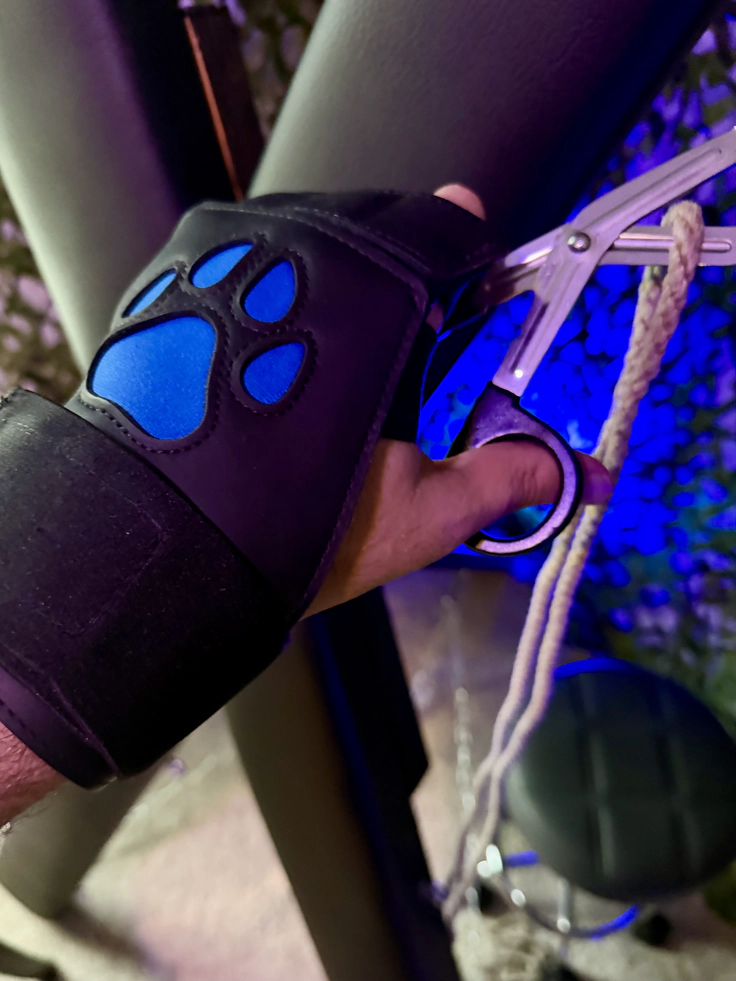
- Safety cutters or trauma shears
- Gloves
- Water or electrolyte drinks
- Basic first aid supplies
- Blankets or comfort items for aftercare
The goal is not to create anxiety about play. Instead it encourages preparation and responsibility.
Ruff Pup’s Approach
Safety in kink is not about removing intensity or excitement from play. It is about creating the conditions that allow people to explore safely and responsibly.
Ruff approaches safety as part of the care we show each other in kink communities. When people understand risks, communicate clearly, and stay attentive to one another, kink becomes not only safer but more meaningful.
This class invites participants to think about safety as a shared responsibility that helps everyone play smarter and enjoy kink more fully.